Digital health care is rapidly transforming the landscape of medicine in the United States. From electronic health records (EHRs) to telehealth platforms, technology promises to improve patient outcomes, streamline workflows, and lower costs. But how do we ensure that these digital systems communicate effectively and, more importantly, accurately? The answer lies, in part, with FHIR...

Fueling Innovation in Digital Health Care, How CDS Hooks FHIR Improves Patient Outcomes
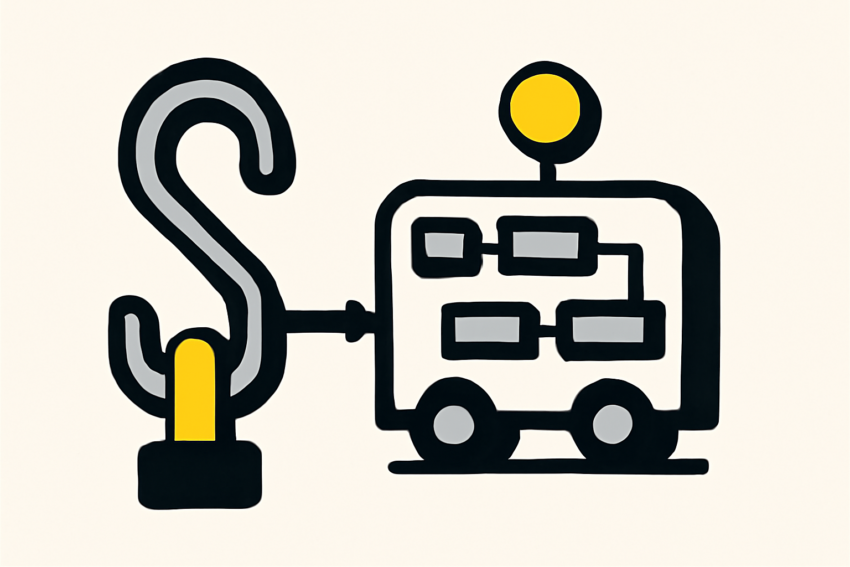
Digital health care in the United States is undergoing a fascinating transformation. Think about it for a moment. How can we better leverage technology to improve patient outcomes and streamline the often-complex world of medicine? The answer, in part, lies in innovative solutions like CDS Hooks FHIR integration. Understanding the Power of CDS Hooks FHIR...
FHIR Data Model: 5 Concepts That Structure Healthcare Data
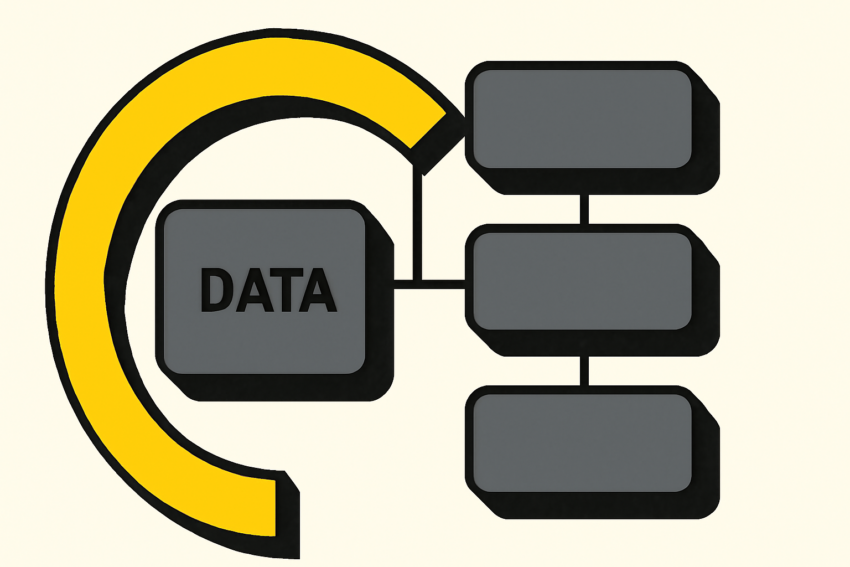
The FHIR data model has five concepts that shape healthcare data modeling. Concept 1: Resources as semantic units. Patient, Encounter, Observation are complete units. Encapsulate related data. Concept 2: References vs. contained. Related resources link via reference fields. Contained embeds inline. Concept 3: Profiles as constraints. Profiles narrow base resources. Concept 4: Extensions add without...
FHIR for Population Health: How Bulk Data Powers Analytics
FHIR for population health analytics uses Bulk Data IG $export to feed downstream analytics. Understanding the pipeline pattern prevents inefficient implementations. Population health use cases 1. Risk stratification (readmission, sepsis, deterioration). 2. Care gap identification (missed screenings, medications). 3. Quality measure reporting. 4. Cohort analysis. 5. Outcomes tracking. Bulk export patterns 1. Group-based export. Group/{id}/$export...